


Glossary
What is physical AI anonymization?
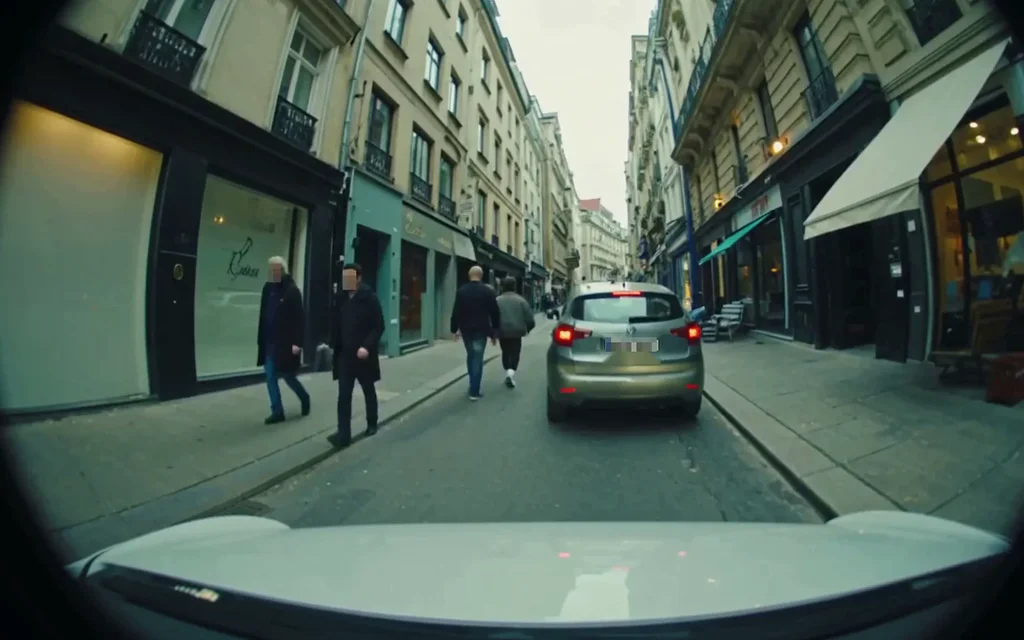
Physical AI anonymization is anonymizing the data that robots, vehicles and drones record about the world around them, above all camera footage of people and license plates, so the data can train and test those systems without identifying the people in it.
What it covers
Machines that see public space.
Vehicles
ADAS and autonomous-driving test fleets record streets, pedestrians and other cars.
Robots
Delivery, warehouse and service robots film the people and places they work around.
Drones
Inspection and mapping drones capture people, vehicles and property from above.
Why masking is not the same as anonymization.
Masking faces and license plates covers the most direct identifiers in the image. The data around the image often stays: GPS traces, timestamps, lidar point clouds and device or vehicle IDs.
The Article 29 Working Party (Opinion 05/2014) tests anonymization on three risks: singling out, linkability and inference. Where a dataset does not meet one of them, WP29 calls for a thorough evaluation of the identification risks.
Only data that is anonymous after that assessment falls outside the GDPR (Recital 26). Data that stays personal keeps every GDPR obligation, including the rules on transfers to third countries (Chapter V).
How it is assessed
Three questions, asked of the whole dataset.
Singling out
Can one person be isolated, for example through a unique device ID or a route that ends at a home?
Linkability
Can records about the same person be connected, within the dataset or with other data?
Inference
Can something about a person be deduced, for example from where and when a robot or car keeps seeing them?
Frequently asked questions
Your question is not listed? Ask us directly.
Talk to usWhat does physical AI anonymization cover?
Data recorded by machines that act in the physical world, such as vehicles, robots and drones, above all camera footage showing people and license plates.
Is masking faces and plates enough?
Not on its own: identifiers outside the image can still single out a person, so each dataset is assessed against singling out, linkability and inference (WP29 Opinion 05/2014).
How does Marsstein help?
Marsstein offers Marsstein AEON as a service: it masks faces and license plates in vehicle and robot camera data inside the EU. Whether a dataset is then anonymous is assessed per dataset, and your counsel or data protection officer signs off.
Sources
Primary sources
Every legal statement on this page rests on one of these documents.